
Real estate investing often moves faster than traditional financing can accommodate. Opportunities appear unexpectedly, timelines become tight, and investors need access to capital when it matters most. While banks remain a common source of funding, many investors are turning to private lending as a flexible and efficient financing solution.
A private lender can provide funding for a wide range of real estate projects that may not fit the strict lending guidelines of traditional financial institutions. Whether an investor is purchasing a distressed property, developing land, or acquiring a commercial building, private money lenders frequently offer financing options tailored to the specific needs of the project.
Understanding the types of projects commonly financed through private lending can help investors identify opportunities and choose the right financing strategy.
In this guide, we will explore 12 types of real estate projects private lenders finance and why private lending continues to play a significant role in the real estate industry.
1. Fix and Flip Properties
Fix and flip investments remain one of the most popular projects financed by private money lenders.
These projects involve purchasing a property below market value, renovating it, and reselling it for a profit. Since speed is often critical in competitive markets, traditional bank financing may not be practical.
Private lenders are often willing to evaluate the property's current value, renovation plans, and projected after repair value rather than focusing solely on the borrower's income or credit profile.
Benefits of private lending for fix and flip projects include:
Faster approval and funding
Flexible loan structures
Financing based on property potential
Short term repayment options
For experienced investors, quick access to capital can make the difference between securing a profitable deal and missing an opportunity.
2. Rental Property Acquisitions
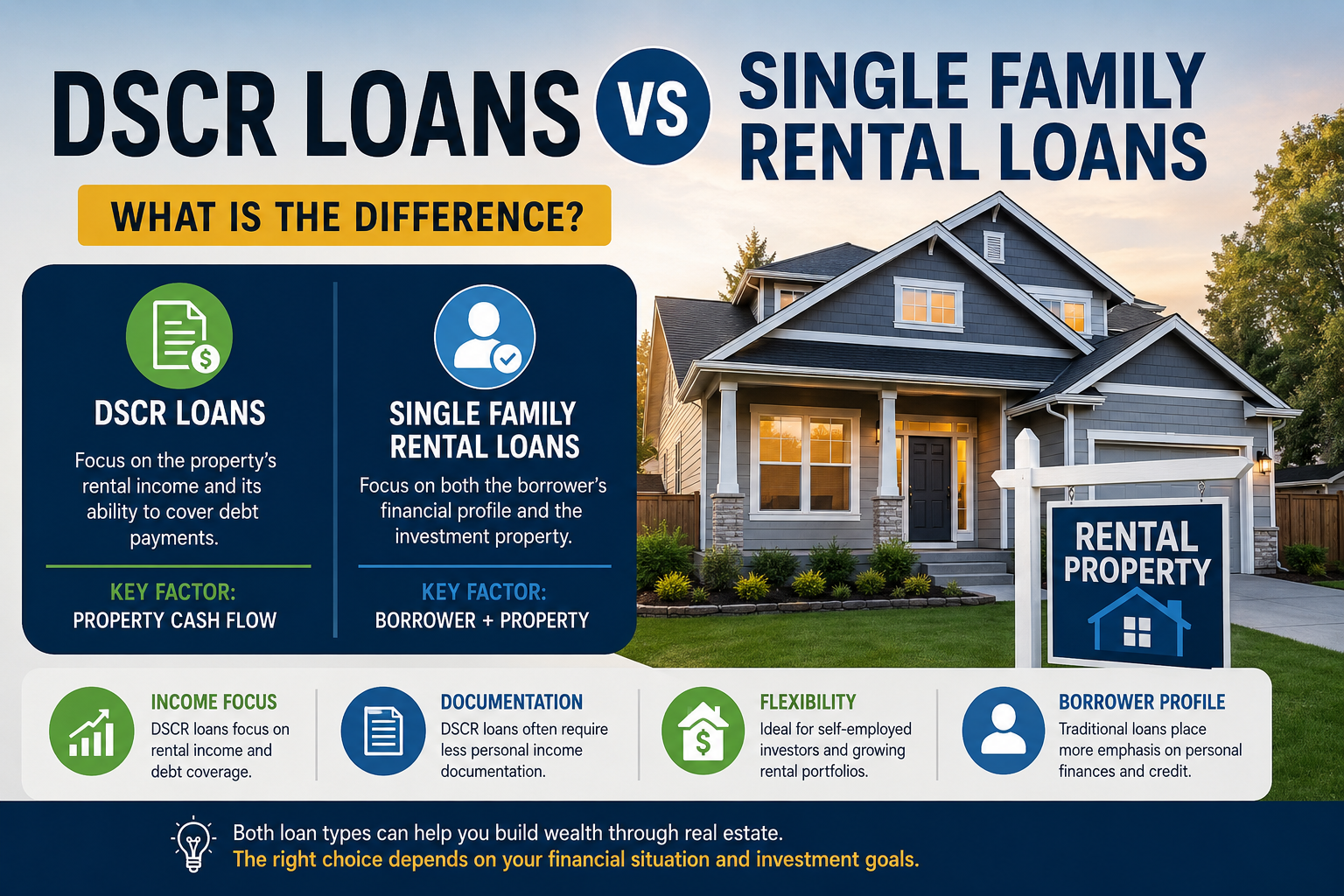
Many investors use private lending to purchase residential rental properties.
Whether the goal is to build long term wealth through single family homes, duplexes, or multifamily properties, private financing can help investors move quickly when attractive properties become available.
Once the property is stabilized and generating rental income, investors may refinance into a conventional loan with more favorable long term terms.
Private lenders often finance:
Single family rental homes
Duplexes and triplexes
Small apartment buildings
Mixed use rental properties
This strategy allows investors to acquire income producing assets without lengthy bank approval processes.
3. Multifamily Residential Developments
Multifamily properties continue to attract strong investor interest due to increasing housing demand in many markets.
Private money lenders frequently finance projects such as:
Apartment complexes
Townhome communities
Condominium developments
Build to rent communities
These projects often require significant capital and flexible funding structures. Private lenders may provide acquisition financing, construction funding, or bridge loans that help developers move projects forward efficiently.
When evaluating multifamily projects, lenders typically examine market demand, location, project feasibility, and exit strategy.
4. Ground Up Construction Projects
Ground up construction involves building a property from the foundation up.
Traditional lenders may be hesitant to finance construction projects due to the risks involved. Private lending can provide developers with access to capital during various phases of construction.
Projects may include:
Residential homes
Custom luxury homes
Multifamily developments
Commercial buildings
Funding is often released in stages as construction milestones are completed. This approach helps ensure project progress while managing risk for all parties involved.
5. Land Acquisition Projects
Purchasing raw or undeveloped land can be challenging through conventional financing channels.
Many banks view vacant land as a higher risk asset because it does not generate immediate income. As a result, investors frequently turn to private lenders for land acquisition financing.
Private lending may be used for:
Residential development land
Commercial development sites
Agricultural land
Infill lots
Future investment parcels
Investors who secure strategically located land often position themselves for future development opportunities and value appreciation.
6. Commercial Real Estate Acquisitions
Commercial properties represent another major category financed through private lending.
These projects may include:
Office buildings
Retail centers
Industrial properties
Warehouses
Medical office buildings
Commercial transactions can involve complex circumstances that require customized financing solutions. Private lenders often provide funding when traditional lenders are unable to move quickly or when the property does not meet standard lending requirements.
This flexibility can help investors capitalize on opportunities in competitive commercial markets.
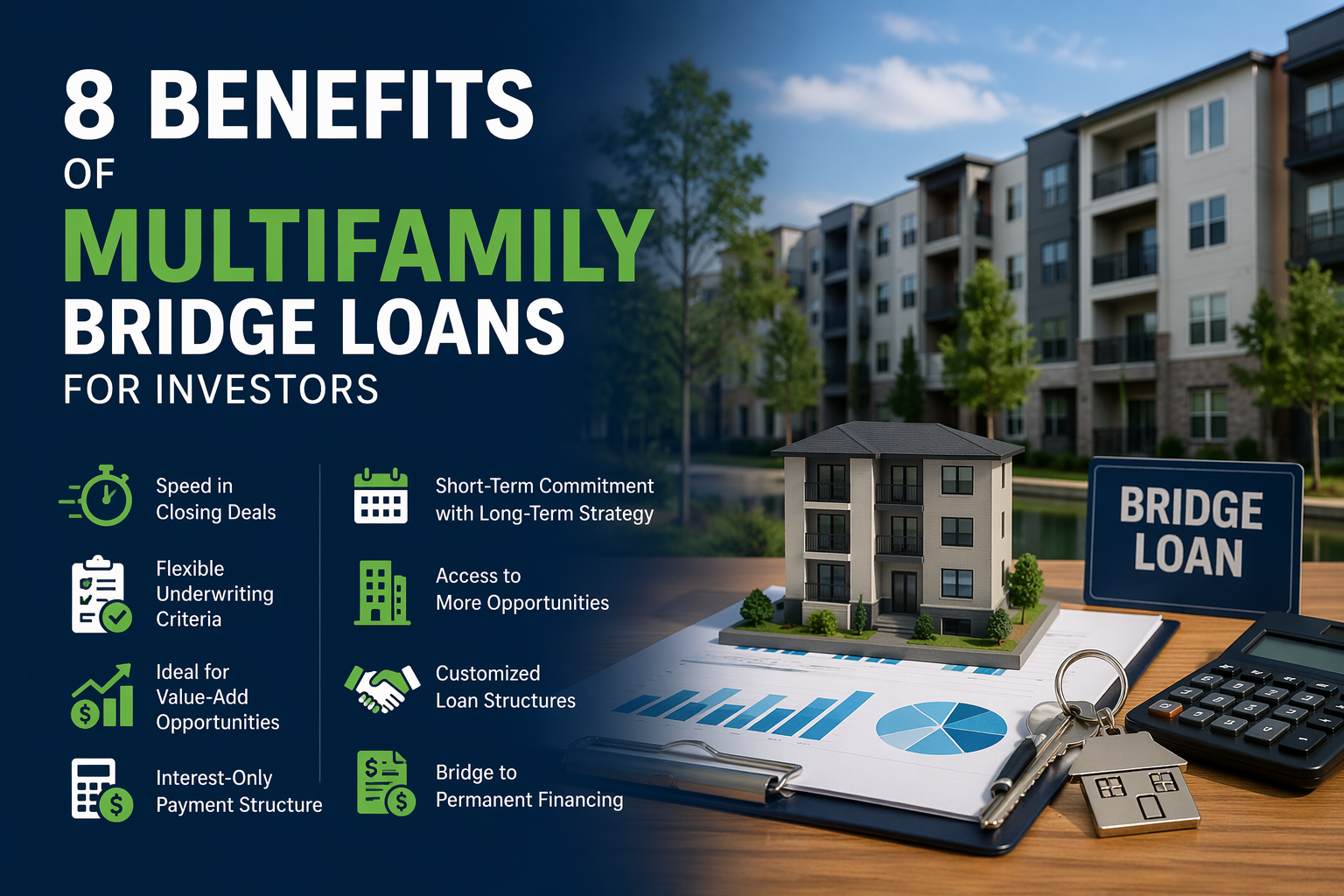
7. Bridge Loan Projects
Bridge loans are designed to provide temporary financing until a permanent funding solution is secured.
Many real estate investors use bridge financing when:
Purchasing a property before selling another asset
Waiting for long term financing approval
Completing renovations before refinancing
Closing transactions on short notice
A private money lender can often provide bridge financing much faster than traditional institutions.
The ability to secure short term capital quickly makes bridge loans an important tool for real estate investors seeking to maintain momentum and avoid missed opportunities.
8. Distressed Property Purchases
Distressed properties often present excellent investment opportunities, but obtaining traditional financing can be difficult.
These properties may have:
Structural issues
Deferred maintenance
Code violations
Vacancies
Financial distress
Because banks may be unwilling to finance properties in poor condition, private lenders frequently step in to provide funding.
Investors can acquire the property, complete necessary improvements, increase its value, and eventually refinance or sell the asset.
This type of financing helps revitalize neglected properties and contribute to neighborhood improvement.
9. Mixed Use Developments
Mixed use properties combine residential, commercial, and sometimes recreational components within a single project.
Examples include:
Retail space with apartments above
Office and residential complexes
Live work developments
Urban redevelopment projects
These projects often require specialized underwriting because they generate multiple income streams and serve diverse tenant groups.
Private lending can offer the flexibility needed to structure financing around the unique characteristics of mixed use developments.
As urban areas continue to evolve, demand for mixed use projects remains strong.
10. Property Repositioning Projects
Property repositioning involves transforming an underperforming asset into a more profitable investment.
Examples include:
Converting office space into residential units
Upgrading older apartment communities
Renovating retail centers
Modernizing industrial properties
These projects often require substantial improvements and strategic planning.
Private lenders frequently support repositioning projects because they focus on the future value of the asset rather than its current condition alone.
Successful repositioning can significantly increase property value and income potential.
11. Short Term Real Estate Investment Projects
Not every investment strategy requires long term financing.
Many investors pursue short term opportunities such as:
Auction purchases
Estate sale acquisitions
Quick resale transactions
Time sensitive investment opportunities
In these situations, speed is often the most important factor.
Private lending provides investors with the ability to secure financing quickly and act decisively when attractive opportunities arise.
This flexibility is one reason many experienced investors maintain relationships with private lenders throughout their investing careers.
12. Real Estate Development and Redevelopment Projects
Large scale development and redevelopment projects often require flexible financing structures that evolve throughout the project's lifecycle.
Examples include:
Urban redevelopment initiatives
Community revitalization projects
Large residential communities
Commercial redevelopment projects
Adaptive reuse developments
These projects can involve multiple stages, changing budgets, and unique challenges.
Private money lenders often work closely with developers to create financing solutions that support project goals while addressing market realities.
The ability to customize funding structures makes private lending particularly valuable for complex development projects.
Why Investors Choose Private Lending for Real Estate Projects
Private lending continues to grow in popularity because it offers several advantages over traditional financing.
Key benefits include:
Faster approval processes
Flexible underwriting standards
Customized loan structures
Financing for unique property types
Solutions for time sensitive transactions
Focus on asset value and project potential
For many investors, these advantages create opportunities that might otherwise be unavailable through conventional financing channels.
While every project requires careful evaluation, private lenders can provide valuable funding solutions across a wide range of real estate investments.
Final Thoughts
Real estate investing offers numerous paths to success, and access to financing often plays a critical role in achieving investment goals. From fix and flip properties and rental acquisitions to commercial developments and large scale redevelopment projects, private lenders finance a diverse range of real estate opportunities.
Understanding the types of projects commonly supported through private lending can help investors identify the right financing strategy for their next venture. Whether the objective is acquiring a distressed property, developing raw land, constructing a new building, or repositioning an existing asset, private money lenders continue to provide flexible capital solutions that help investors move forward with confidence.
As real estate markets evolve and investment opportunities become increasingly competitive, private lending remains an important financing option for investors seeking speed, flexibility, and customized funding solutions.








Write a comment ...